Every single day, millions of households unknowingly serve adulterated groceries to their loved ones. While commercial laboratory analysis requires specialized equipment, everyday kitchen chemistry offers powerful, instant ways to safeguard your family from harmful contaminants.
1. Testing Milk and Paneer for Starch and Detergents
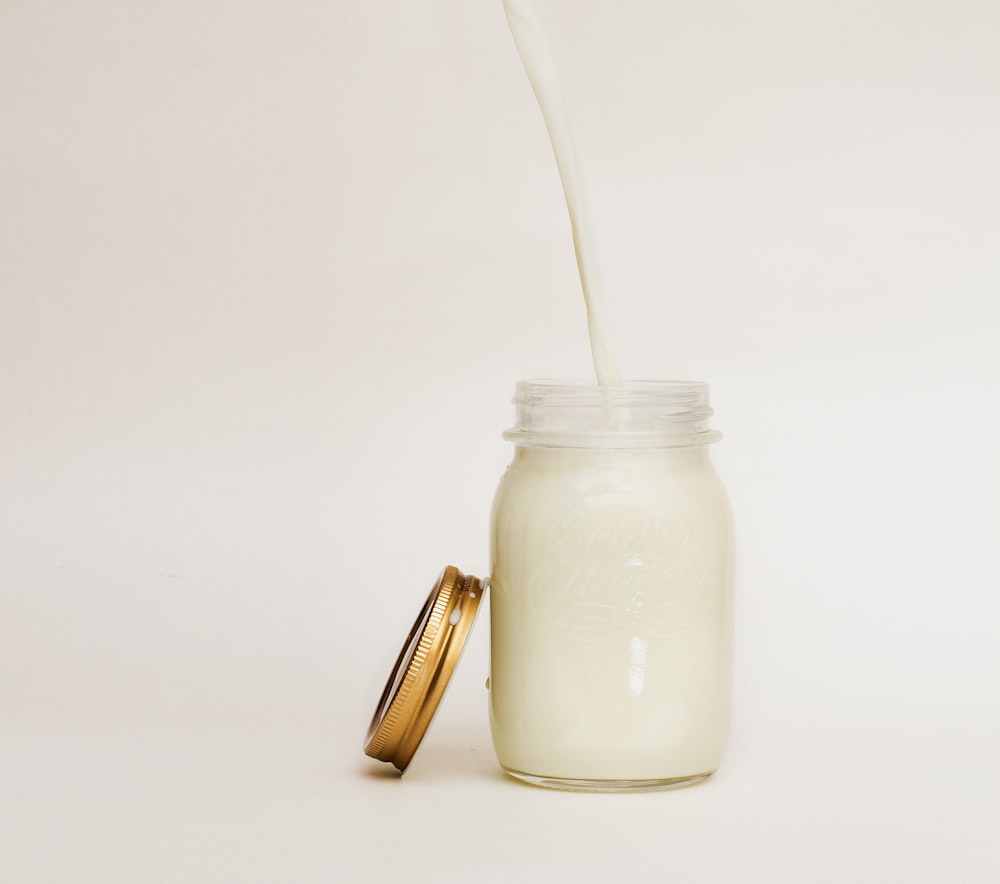
Commercial adulterators incorporate industrial detergents to create artificial foam and potato starch to artificially increase solids-not-fat (SNF) readings.
The Iodine Tincture Test for Starch
Boil a 10ml sample of milk or a piece of paneer in water, allow it to cool, and add 2-3 drops of standard pharmaceutical iodine tincture. An intense blue-black coloration proves synthetic starch incorporation. Genuine dairy remains a light, translucent yellow.
The Foam and Lather Test for Detergent
Shake equal parts milk and water vigorously in a sealed transparent glass bottle for 60 seconds. Genuine milk produces a delicate froth that dissipates quickly. Detergent-spiked milk creates a thick, persistent soapy foam that remains intact for hours.
2. Distinguishing Pure Honey from Commercial Corn Syrup
High-fructose corn syrup and inverted sugar syrup are the most prevalent deceptive fillers found in honey jars.
The Transparent Water Dispersion Test
Drop a single spoonful of honey into a glass of plain room-temperature water. Pure raw honey possesses high viscosity and will sink intact to the bottom of the glass. Adulterated honey immediately dissolves and clouds the water as it descends.
The Cotton Wick Flame Test
Dip a dry cotton wick into honey and attempt to light it with a match. Genuine honey burns smoothly because it contains minimal unbound water. Sugar-syrup honey sputters, crackles, or fails to ignite.
3. Testing Mustard and Cooking Oils
Adulteration with argemone oil and cheap mineral oil can cause irreversible cardiovascular and neurological toxicity.
Nitric Acid Color Reaction
Carefully mix 5ml of oil with 5ml of concentrated nitric acid in a test tube. Shake gently and let stand for 5 minutes. The emergence of a crimson, orange-red layer at the bottom confirms hazardous argemone contamination.
Summary and Best Practices
Never hesitate to question irregular grocery consistency. Report suspicious vendors on the Manus Hitkari Foundation portal so our legal and testing units can take immediate corrective measures.