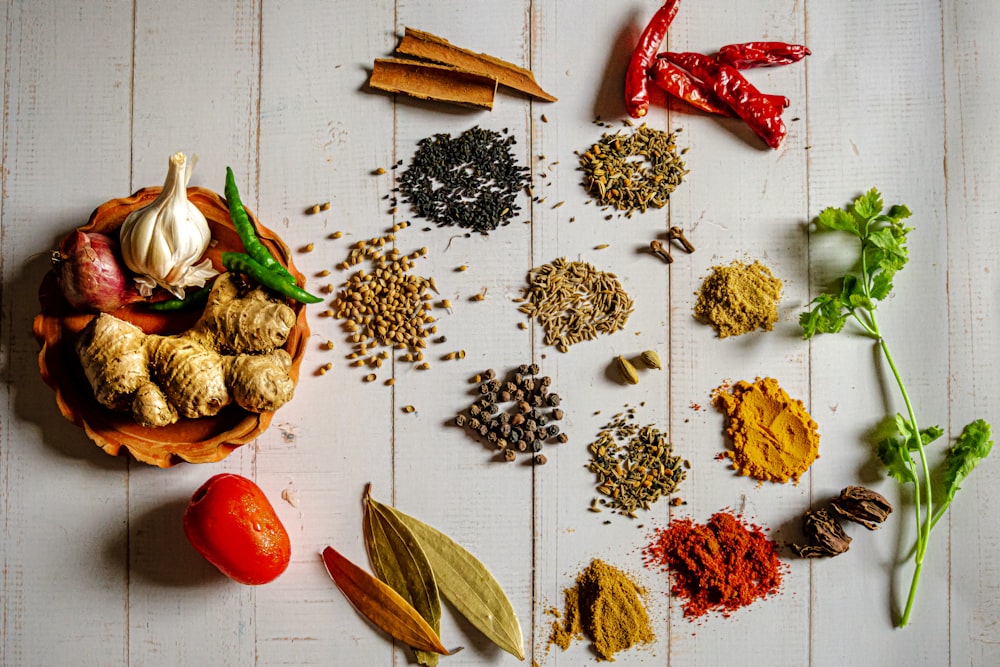
Spices are celebrated globally for their immune-boosting, therapeutic qualities. But when loaded with wood dust, spent leaves, and mineral dyes, they turn your kitchen into a health hazard. Here is how to evaluate the top spices quickly:
Quick Identification Techniques
1. Asafoetida (Hing)
Pure asafoetida dissolves completely in water to yield a milky white emulsion without leaving any residue. If touched with a flame, genuine hing burns vigorously with a clear, steady flame like camphor.
2. Ceylon Cinnamon vs. Toxic Cassia Bark
Genuine Ceylon cinnamon features delicate, thin, multi-layered rolls that crumble readily between your fingers. Cheap cassia consists of single, thick, woody curled bark containing high levels of coumarin, a documented liver toxin.
3. Cumin Seeds (Jeera)
Adulterators dye grass seeds with coal-tar or charcoal dust to mimic cumin. Rub seeds vigorously between your palms; if your skin is blackened or stained, the batch is dyed.
4. Black Peppercorns
Dried papaya seeds are commonly mixed into black pepper. Drop them into a bowl of alcohol or water: genuine dense peppercorns sink instantly, whereas hollow papaya seeds float to the surface.